Awesome: A Dynamic Color Font for Standout Design
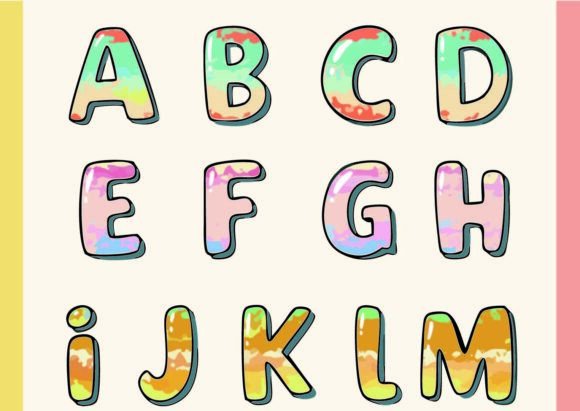
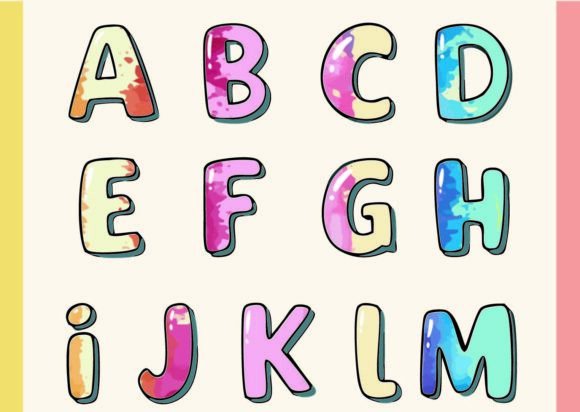
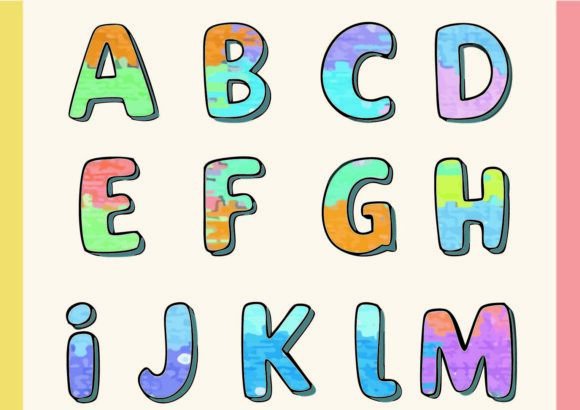
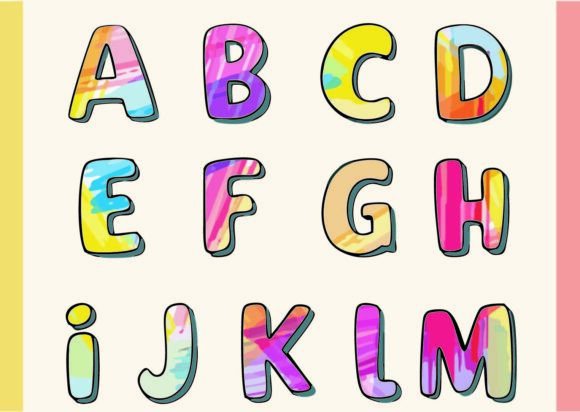
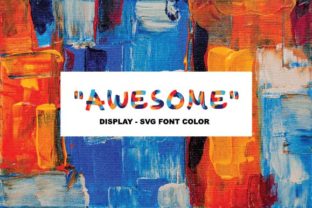
Imagine a font that doesn't just sit on the page but leaps off it with vibrant energy and a unique, modern charm. Awesome is precisely that—a fun, colorful typeface engineered to inject dynamic personality and visual punch into any creative project, transforming standard designs into memorable visual statements.
As a graphic design professional, you understand that typography is the voice of your layout. Awesome, a color font utilizing Opentype-SVG technology, speaks volumes. It moves beyond flat, single-color glyphs to incorporate rich gradients, textures, and multi-dimensional effects directly within each character. This isn't just a letter; it's a pre-designed graphic element, offering a significant advantage in today's fast-paced design workflow where visual impact is paramount.
Elevating Brand Identity and Visual Communication
A strong brand identity relies on distinctive elements that foster recognition and emotional connection. Awesome serves as a powerful tool in this arsenal. Its inherent personality makes it ideal for crafting logos, wordmarks, and brand slogans that need to convey energy, creativity, or a contemporary edge. In a crowded marketplace, a well-chosen typeface like Awesome can be the differentiating factor that makes a brand's visual language instantly recognizable and engaging.
Beyond logos, its application extends to the core of your design system. Consider its role in creating effective visual hierarchy and communication:
- Marketing Materials: Use it for headlines on flyers, posters, and digital ads to capture attention instantly.
- Social Media Graphics: Its vibrant look is perfect for platform-specific content, stories, and thumbnails that need to stop the scroll.
- Packaging Design: Apply it to product names or key descriptors to create shelf appeal and convey a product's fun, innovative character.
- Editorial Layouts: Break the monotony of body text in magazines or blogs with striking pull quotes or section headers.
Practical Applications and Creative Projects
The versatility of a color font like Awesome allows it to shine across numerous creative projects. For web design and UI, it can be used sparingly but effectively for hero sections, button text, or feature callouts to guide the user's eye and enhance the overall user experience with a touch of modern aesthetics. In advertising campaigns, it helps messages cut through the noise with its inherent visual appeal.
For designers and creators, integrating such assets requires a thoughtful approach to ensure cohesion and professionalism. Here are key considerations:
- Audience and Context: Evaluate if the font's playful, dynamic style aligns with your target audience's expectations and the project's tone. It's a standout choice for youth-oriented brands, tech startups, or creative agencies, but may need more measured application in corporate contexts.
- Visual Hierarchy and Balance: Awesome is best used for display purposes—headlines, logos, and short phrases. Pair it with a clean, highly readable sans-serif or serif font for body text to maintain clarity and establish a strong visual hierarchy.
- Compatibility and Workflow: As noted, this is a specialized Opentype-SVG font. It is compatible with major design software like Adobe Photoshop and Illustrator, ensuring it integrates smoothly into a professional design workflow. Always verify compatibility with your specific tools, especially for cut files.
- Color Palette Integration: While the font has its own color profile, consider how its hues complement or intentionally contrast with your project's broader color palette for a harmonious result.
Thoughtful design is about making intentional choices that serve both form and function. Selecting a creative asset like Awesome is a decision to prioritize visual impact and personality. By leveraging its unique strengths while respecting principles of readability, scalability, and brand consistency, you can significantly enhance the quality and effectiveness of your visual communication, ensuring your designs are not only seen but also felt and remembered.